

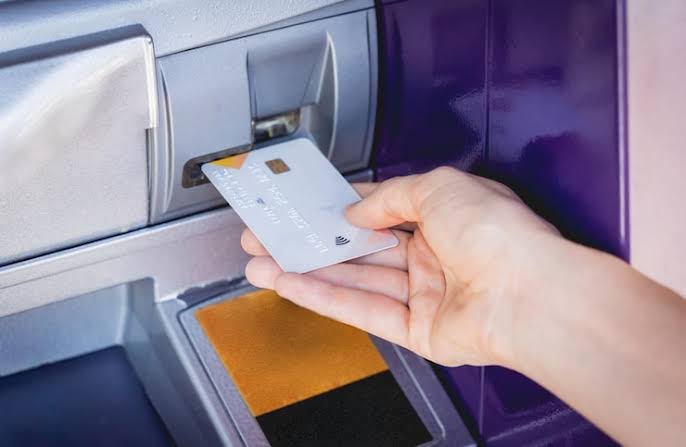
Card Kkang is a Korean term commonly associated with arrangements that attempt to convert credit card spending capacity into cash. People may encounter Card Kkang services when looking for quick access to funds through an available credit limit.
Because these arrangements can involve financial, contractual, and legal considerations, understanding the general concept and important factors is essential. This guide explains the main points beginners should understand.
Point One Understand Card Kkang
Card Kkang generally describes a transaction arrangement where credit card spending capacity is used with the objective of obtaining cash or cash equivalent value.
The exact process can vary depending on the service provider and transaction structure. Not every arrangement is necessarily authorized by a card issuer or permitted under applicable regulations.
Point Two Understand the Difference From Cash Advances
An authorized credit card cash advance is normally provided directly under the card issuer’s established terms.
Card Kkang services may involve third party arrangements that are structured differently. Users should not automatically assume that a third party cash conversion service has the same status as an authorized cash advance.
Point Three Review Card Issuer Conditions
Before using any credit related service, review the terms of the relevant credit card.
Important areas can include transaction restrictions, cash advance conditions, fees, interest rates, account limitations, and activities that the issuer does not permit.
Point Four Understand the Transaction Structure
Users should understand what transaction is actually being performed.
If a service describes a transaction as a purchase but its primary purpose is to provide cash, there may be additional contractual or regulatory concerns. Ask for clear information about the transaction rather than relying only on promotional descriptions.
Point Five Calculate the Total Cost
A service fee may not represent the complete cost.
Potential expenses can include transaction charges, service fees, interest, and other costs. Comparing the amount received with the total amount that must eventually be repaid provides a more accurate picture of affordability.
Point Six Consider Repayment Obligations
Credit card funds are not free money.
Any outstanding balance may need to be repaid according to the card agreement. Users should understand payment dates, minimum payment requirements, interest conditions, and possible consequences of late payments. The site offers useful context surrounding 신용카드 현금화 and the responsibilities associated with using credit.
Point Seven Consider Credit Utilization
Using a significant portion of an available credit limit can increase credit utilization.
Depending on the relevant credit reporting system and personal circumstances, higher utilization can affect a person’s credit profile. Maintaining awareness of the outstanding balance is therefore important.
Point Eight Evaluate Service Providers Carefully
When a third party is involved, users should examine the provider before sharing information or completing a transaction.
Look for transparent business information, clearly stated fees, understandable terms, appropriate customer support, and information about how personal and financial data is handled.
Point Nine Protect Financial Information
Personal financial information should be protected throughout the process.
Users should avoid sharing passwords, authentication codes, card PINs, or other security credentials with untrusted parties. Any request for sensitive credentials should be treated with caution.
Point Ten Check Applicable Regulations
The rules surrounding credit card transactions and cash conversion can vary by jurisdiction.
A service that is advertised online may not necessarily comply with local financial regulations. Users should verify the applicable requirements before entering into an unfamiliar financial arrangement.
Point Eleven Compare Legitimate Alternatives
Card Kkang should not be considered without reviewing other available options.
Depending on individual circumstances, alternatives may include an authorized cash advance, regulated financing, an approved credit facility, or other legitimate financial products.
The costs, repayment periods, and eligibility requirements of these alternatives should be compared carefully.
Point Twelve Keep Transaction Records
Keeping documentation can help users monitor their financial obligations.
Important records can include agreements, receipts, transaction confirmations, fee information, and repayment details. These documents may also be useful if a dispute occurs.
Related Processes and Important Considerations
The processes associated with Card Kkang can differ significantly between providers. Some arrangements may involve several parties, transaction processing systems, or additional fees.
For this reason, users should focus on understanding the complete financial obligation rather than simply considering how quickly cash may become available.
Conclusion
Card Kkang services are associated with methods of converting credit card spending capacity into cash or cash equivalent value. However, the structure, costs, legality, and consequences can vary depending on the specific arrangement.
Beginners should review card issuer rules, understand the complete transaction structure, calculate all costs, consider repayment ability, protect personal information, and verify applicable regulations.
A careful comparison with authorized and regulated financial alternatives can also help users understand their available options before taking on additional credit obligations.
